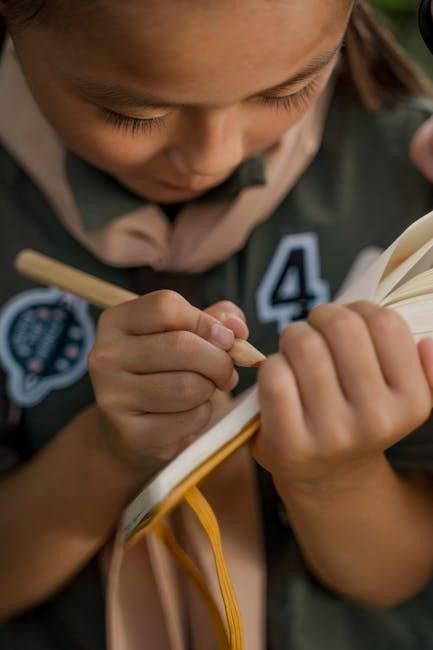
Cadette Book Artist Badge Requirements: A Comprehensive Plan
This comprehensive guide details the steps to earn the Cadette Book Artist Badge, encompassing comic exploration, bookbinding, design, and artistic style development.
The Cadette Book Artist Badge is an exciting opportunity for Girl Scouts in sixth, seventh, and eighth grade to explore the fascinating world of book creation! This badge encourages girls to delve into both the artistic and technical aspects of bookmaking, from understanding comic art fundamentals to mastering bookbinding techniques.
Through completing the badge requirements, Cadettes will learn to analyze comic strips, experiment with different art mediums, and consider design principles for readability and accessibility. The journey fosters creativity, problem-solving skills, and an appreciation for the art of storytelling. It’s about making awesome memories with friends!
Understanding the Badge’s Focus
This badge centers on developing a comprehensive understanding of book artistry, blending visual storytelling with practical bookmaking skills. It’s not just about drawing; it’s about the entire process – from initial concept and character design to layout, typography, and the physical construction of a book;
Cadettes will explore how function and style intertwine in book design, learning to create visually appealing and accessible books. The badge encourages experimentation with various artistic mediums and a deeper appreciation for artists inspired by nature, ultimately empowering girls to create their own unique comics and books.
Target Age Group & Grade Level
The Cadette Book Artist Badge is specifically designed for Girl Scouts who are currently in sixth, seventh, or eighth grade – the traditional middle school years. This age group is ideal for exploring more complex artistic concepts and developing skills in visual communication and design.
Cadettes at this stage are ready to think critically, consider different perspectives, and collaborate with peers, all of which are essential components of the badge requirements. The badge fosters creativity and provides a platform for self-expression during a pivotal time of growth.

Badge Requirements Overview
The badge features six distinct steps: comics, bookbinding, book anatomy, artistic techniques, function, and style, each offering multiple completion options for flexibility.
Total Requirements & Options
To successfully earn the Cadette Book Artist Badge, Girl Scouts must complete one option from each of the six outlined steps. This provides a tailored experience, allowing individuals to focus on areas that spark their creativity and align with their interests. The pamphlet details three options per step, ranging from collecting and analyzing comic strips to experimenting with diverse art mediums and bookbinding techniques.
Each step is designed to build upon the previous one, culminating in a final project that demonstrates a comprehensive understanding of book artistry. The badge emphasizes both the technical skills and the artistic expression involved in creating unique and functional books.

Accessing the Official Badge Pamphlet
The official Cadette Book Artist Badge pamphlet is an essential resource for completing the badge requirements. It provides detailed instructions, helpful examples, and inspiration for each step of the process; Currently, the 8-page pamphlet is available for purchase through the Girl Scout Shop, both online and at local council shops.
Digital access may also be available through the GSUSA website or related platforms, depending on current offerings. Ensure you have the most up-to-date version to align with the current requirements and guidelines. The pamphlet is sold separately from the badge itself.
Materials Needed for Completion (as of 03/05/2026)
To successfully complete the Cadette Book Artist Badge, several materials will be required. Access to the internet is crucial for research and exploring online resources. You’ll need newspapers or a comic book for analysis, alongside basic art supplies like pencils and various types of paper for sketching and creating artwork.
Depending on chosen bookbinding techniques, additional materials such as bookbinding needles, thread, and cover boards may be necessary. Consider art mediums like paints, markers, or colored pencils for illustration. The official pamphlet will offer specific suggestions!
Step 1: Delve into the World of Comics
This step involves exploring comics through collecting strips, studying comic book history, or understanding essential elements like panels and speech bubbles.
Option 1: Collecting & Analyzing Comic Strips
To fulfill this option, Cadettes will gather a diverse collection of comic strips, spanning various styles and themes. The focus then shifts to a detailed analysis of these strips, examining narrative techniques, artistic choices, and the overall message conveyed.
Consider how the artist uses panels, speech bubbles, and character expressions to tell a story; Explore the humor, social commentary, or emotional impact of the strips. This exercise cultivates critical thinking skills and a deeper appreciation for the art form, preparing you for further badge requirements.
Option 2: Exploring Comic Book History
Delve into the fascinating evolution of comic books, tracing their origins and significant milestones. Research the pioneers of the medium, examining how early comics differed from modern ones. Investigate key periods like the Golden Age, Silver Age, and Modern Age, noting the stylistic and thematic shifts that occurred during each era.
Understanding this historical context provides valuable insight into the development of the art form and its cultural impact. Consider how societal events influenced comic book content and vice versa, enriching your appreciation for the medium.
Option 3: Understanding Comic Book Elements (Panels, Speech Bubbles, etc.)
Dissect the fundamental building blocks of comics: panels, gutters, speech bubbles, thought bubbles, and captions. Analyze how panels create a sense of time and sequence, guiding the reader’s eye across the page. Explore the different types of speech bubbles and their impact on conveying tone and emotion.
Learn how captions provide narration and context, enhancing the storytelling experience. Understanding these elements is crucial for both appreciating and creating effective comic art, allowing for clear and compelling visual communication.
Step 2: Explore the Art of Bookbinding
Discover both traditional and modern bookbinding techniques, researching resources to learn methods for constructing books and understanding binding styles.
Understanding Traditional Bookbinding Techniques
Traditional bookbinding represents centuries of craftsmanship, utilizing methods like hand-sewing signatures together. These signatures, folded sections of pages, are then attached to a spine, often covered in leather or durable cloth. Explore techniques such as long stitch binding, Coptic binding, and case binding, each offering unique aesthetic and structural qualities.
Research the historical context of these methods, understanding their evolution and the tools historically employed. Consider the precision and patience required for these techniques, appreciating the artistry involved in creating a lasting, beautifully bound book. Understanding these foundations provides a strong base for exploring modern adaptations.
Modern Bookbinding Methods
Modern bookbinding builds upon traditional techniques, incorporating new materials and tools for efficiency and innovation. Explore methods like perfect binding, commonly used for paperbacks, and spiral binding, offering flexibility for notebooks. Discover the use of adhesives and automated machinery in mass production, contrasting with the handcrafted approach of traditional methods.
Investigate alternative binding styles like Japanese stab binding, offering unique aesthetic appeal. Consider the advantages and disadvantages of each method, evaluating their suitability for different book projects. Modern techniques allow for greater experimentation with materials and designs, expanding creative possibilities.
Resources for Learning Bookbinding
Numerous resources exist to support your bookbinding journey! Online platforms like YouTube offer tutorials demonstrating various techniques, from simple pamphlet stitches to complex case bindings. Websites dedicated to book arts provide detailed instructions and diagrams. Local libraries often host workshops or have books on bookbinding available for loan.
Consider joining a bookbinding guild or community to connect with experienced binders and share knowledge. Explore craft stores for specialized tools and materials. Don’t hesitate to experiment and learn from your mistakes – practice is key to mastering this rewarding craft!

Step 3: Get Familiar with the Insides of a Book
Understanding book anatomy – pages, spine, and cover – is crucial, alongside exploring diverse paper types and binding styles for optimal creation.
Book Anatomy: Pages, Spine, Cover
Delving into book anatomy reveals the core components that bring stories to life. Pages, the foundation of any book, hold the narrative or artwork, varying in texture and weight. The spine, often overlooked, is the binding’s backbone, securing pages and providing structural integrity.
Finally, the cover serves as the book’s first impression, protecting the contents and offering a glimpse into its world. Understanding how these elements interact is vital for aspiring book artists. Consider how different cover materials affect durability and aesthetics, and how spine width impacts binding choices.
Paper Types & Their Uses
Selecting the right paper is crucial for any book artist, impacting both the aesthetic and functionality of the final product. Different weights – measured in pounds or grams per square meter – determine thickness and durability. Coated papers, like glossy or matte, are ideal for vibrant illustrations, while uncoated papers offer a more natural feel for text-heavy books.
Consider the intended use: heavier weights for covers, lighter weights for interior pages. Explore options like recycled paper for eco-conscious projects. Understanding paper grain direction also prevents warping during binding.
Understanding Different Binding Styles
Various binding methods offer unique aesthetics and structural integrity. Saddle-stitch binding, simple and cost-effective, is suitable for booklets with fewer pages. Perfect binding creates a clean, professional look for thicker books, gluing pages to the cover. Spiral binding allows pages to lay flat, ideal for notebooks.
Case binding, or hardcover, provides maximum durability. Explore Japanese binding techniques for artistic flair. Each style impacts the book’s overall appearance and how it functions, influencing the reader’s experience.

Step 4: Try Out Book Artist Techniques
Experiment with watercolors, pencils, and inks to discover preferred mediums. Develop character designs and explore diverse illustration styles for captivating book artwork.
Experimenting with Different Art Mediums
Dive into a world of artistic possibilities by freely experimenting with a diverse range of art mediums! Consider traditional options like graphite pencils, vibrant watercolors, and expressive inks. Don’t limit yourself – explore colored pencils, pastels, or even digital art tools if available.
Each medium offers a unique texture and effect, influencing the overall aesthetic of your book art. Practice different techniques with each one, observing how they interact with various paper types. This hands-on exploration will help you discover which mediums best suit your personal style and the specific vision for your book project;
Illustration Styles for Book Art
Explore the vast landscape of illustration styles to find what resonates with your artistic voice! Consider realistic renderings, focusing on accurate detail and lifelike portrayals. Alternatively, delve into cartooning, embracing exaggeration and simplified forms for a playful aesthetic.
Investigate styles like manga, known for its dynamic energy and expressive characters, or graphic novel styles, often utilizing bold lines and striking compositions. Experimenting with different approaches will broaden your skillset and help you determine the best style to convey the story and mood of your book art.
Creating Character Designs
Bring your stories to life by crafting compelling character designs! Begin with brainstorming – consider personality, backstory, and role within the narrative. Sketch various poses and expressions to capture their essence. Explore different body types, clothing styles, and facial features to differentiate characters.
Don’t be afraid to experiment with exaggeration and symbolism to visually communicate character traits. Develop a consistent visual language for each character, ensuring recognizability throughout your book. Remember, strong character designs are crucial for engaging readers and enhancing storytelling.

Step 5: Focus on Function
Prioritize readability through thoughtful book design, considering layout, typography, and accessibility for all readers, ensuring a positive user experience.
Book Design for Readability
Effective book design hinges on prioritizing how easily a reader can navigate and understand the content. This involves careful consideration of several key elements. Font choice is crucial; select typefaces that are clear and legible, avoiding overly decorative styles.
Line spacing and margins also play a significant role, providing visual breathing room and preventing text from feeling cramped. Column width should be appropriate for comfortable reading. Furthermore, the strategic use of headings, subheadings, and visual breaks helps guide the reader’s eye and organize information logically.
Layout and Typography Considerations
Mastering layout and typography is essential for a visually appealing and functional book. Consider the grid system – a foundational structure for organizing elements on the page, ensuring consistency and balance. Typography extends beyond font selection; explore kerning (space between letters), leading (space between lines), and tracking (overall letter spacing) to refine readability.
Hierarchy is key: use size, weight, and color to differentiate headings from body text. White space, or negative space, is equally important, preventing clutter and guiding the reader’s eye. Thoughtful layout enhances the reading experience and complements the book’s content.
Accessibility in Book Design
Inclusive book design ensures everyone can enjoy the reading experience. Prioritize sufficient color contrast between text and background for visually impaired readers. Choose legible fonts, avoiding overly decorative styles. Consider font size; larger sizes benefit those with low vision. Alternative text (alt text) for images is crucial for screen readers, describing visual content to users.

Step 6: Focus on Style
Develop your unique artistic voice by exploring movements and applying personal style to book covers and illustrations for a cohesive look.
Developing a Personal Artistic Style
Embark on a journey of self-expression! This step encourages Cadettes to move beyond imitation and cultivate a distinctive artistic style. Consider what themes resonate with you – nature, fantasy, realism? Experiment with different techniques and mediums, blending them in unique ways.
Analyze artists whose work you admire, not to copy, but to understand how they achieve their effects. What colors, lines, and compositions define their style? Reflect on your own preferences and strengths. Don’t be afraid to break the rules and embrace experimentation. Your style is a reflection of you!
Exploring Different Artistic Movements
Broaden your artistic horizons by delving into the world of art history! Research movements like Impressionism, Cubism, Surrealism, and Pop Art. Understand the core principles, key artists, and historical context of each. How did these movements challenge conventions and influence subsequent art?
Consider how elements of these movements might inspire your own book art. Could you incorporate the bold colors of Pop Art into a comic cover? Or the dreamlike imagery of Surrealism into an illustration? Analyzing these styles will enrich your artistic vocabulary and fuel your creativity.
Applying Style to Book Covers & Illustrations
Now, translate your developed artistic style into practical application! Experiment with different approaches for book covers – minimalist, illustrative, typographic, or a combination. Consider how the cover visually communicates the book’s genre and tone. Extend this stylistic exploration to your illustrations.
Maintain consistency in your chosen style throughout the book. Think about color palettes, line work, and overall aesthetic. Does your style enhance the storytelling? Practice applying your style to various book art elements, refining your technique and solidifying your unique artistic voice.

Additional Resources & Inspiration
Explore artists inspired by nature, online comic resources, and Girl Scout support for further learning and creative inspiration throughout the badge journey.
Artists Inspired by Nature (Research Focus)
For this section, Cadettes will delve into the work of artists who prominently feature nature in their creations. The goal is to research both contemporary and historical figures, discovering how they interpret and represent the natural world through their art.
Consider artists who utilize natural forms, colors, or themes in their illustrations or book art. Online research is key to uncovering diverse examples and understanding the artist’s process and inspiration. Think about how these artists’ styles might influence your own book art creations, and prepare to share your findings with your troop.
Online Resources for Comic Artists
Numerous online platforms offer tutorials, inspiration, and communities for aspiring comic artists. Websites like DeviantArt and ArtStation showcase a vast range of comic art styles and techniques, providing excellent visual references. YouTube channels dedicated to comic creation offer step-by-step guides on drawing, inking, and coloring.
Explore resources focusing on comic panel layout, character design, and storytelling. Digital art software tutorials can also be beneficial. Remember to evaluate the credibility of sources and prioritize learning from established artists and educators within the comic art field.
Girl Scout Resources & Support
Girl Scouts offers extensive support for badge completion, including volunteer mentors with artistic expertise. Local service units can connect Cadettes with experienced book artists and comic creators for guidance. The official Girl Scout shop provides the Cadette Book Artist badge pamphlet, detailing requirements and offering project ideas.
Online forums and social media groups dedicated to Girl Scout badges facilitate peer support and resource sharing. Leaders can access training materials and program resources to assist Cadettes throughout the badge-earning process, fostering a collaborative and enriching experience.