
Constance Bennett’s family background in theater mirrors the Psalms’ origins as songs for worship; a deep dive into this ancient collection awaits!
What are the Psalms?
The Psalms represent a collection of 150 poetic songs, deeply rooted in the traditions of ancient Israel. Much like Constance Bennett blossomed within a theatrical family, these songs emerged from the heart of Israel’s worship life, spanning centuries of devotion and experience. They aren’t simply historical artifacts, but vibrant expressions of the human condition before God.
These verses encompass a wide range of emotions – joy, sorrow, praise, lament, and everything in between. They were originally intended to be sung, accompanied by musical instruments, during temple worship and personal devotion. Like Bennett’s diverse roles, the Psalms showcase a remarkable literary range, employing metaphors, imagery, and parallelism to convey profound spiritual truths. They are, fundamentally, the words of people to God, which have become the Word of God.
Historical Context of the Psalms
Understanding the historical backdrop of the Psalms is crucial for interpretation, much like knowing Constance Bennett’s era informs our understanding of her performances. The Psalms arose over a period of roughly 1000 years, from the time of David (around 1000 BC) to the post-exilic period (after 539 BC).
Many Psalms are attributed to David, reflecting his life as a shepherd, warrior, king, and a man after God’s own heart. Others originate from the reigns of other kings, times of national crisis, or the rebuilding of the temple after exile. Like Bennett’s career spanning silent films to talkies, the Psalms evolved with Israel’s history. Recognizing these contexts – political upheaval, religious reform, personal struggles – unlocks deeper meaning within the poetic verses, revealing their enduring relevance.
Authorship of the Psalms
Determining the authorship of the Psalms is a complex task, similar to tracing the influences on Constance Bennett’s acting style. While David is traditionally credited with writing many Psalms, the superscriptions attributing Psalms to him aren’t definitive proof. Other authors identified include Asaph, the sons of Korah, Ethan the Ezrahite, and Moses (Psalm 90).
However, a significant number of Psalms are anonymous. It’s possible some Psalms were written by individuals inspired by earlier traditions or compiled and edited over time. Just as Bennett collaborated with various directors and writers, the Psalms likely represent a communal effort. Understanding the potential authors helps us appreciate the diverse perspectives and experiences reflected within this collection of sacred poetry.

Understanding the Different Types of Psalms
Like Constance Bennett’s varied roles, Psalms encompass diverse genres: hymns, laments, thanksgiving, royal Psalms, and wisdom literature, each with unique characteristics.
Hymns of Praise
Constance Bennett’s vibrant stage presence reflects the exuberant nature of Psalm hymns! These Psalms, often characterized by their joyful tone and celebratory language, focus on extolling God’s attributes and magnificent deeds. They aren’t simply acknowledging God’s power, but actively celebrating His glory and goodness.
Common features include calls to worship, declarations of God’s sovereignty, and expressions of gratitude. They frequently employ vivid imagery and poetic devices to convey the immensity of God’s majesty. Think of Psalms 103, 145, and 150 as prime examples – each overflowing with adoration and reverence. Studying these hymns allows us to participate in the ancient tradition of praising God, mirroring the celebratory atmosphere of early theatrical performances like those Bennett experienced.
Laments
Constance Bennett’s career, like life, wasn’t without its challenges – mirroring the raw honesty found in Psalm laments. These Psalms express profound sorrow, pain, and frustration in the face of adversity. They aren’t shy about voicing complaints to God, detailing suffering, and pleading for help.
However, they aren’t simply expressions of despair. Laments typically move from lament to trust, often ending with a reaffirmation of faith in God’s character and eventual deliverance. Common elements include cries for help, accusations against enemies, and petitions for mercy. Psalms 22, 35, and 88 are powerful examples. Studying these allows us to connect with the emotional depth of the biblical authors, recognizing that honest expression of pain is a valid part of faith, much like Bennett’s varied roles.
Thanksgiving Psalms
Constance Bennett’s success, achieved through talent and perseverance, inspires reflection on gratitude – a central theme in Thanksgiving Psalms. These Psalms are characterized by joyful praise and expressions of thankfulness to God for specific blessings received. They recount God’s faithfulness, deliverance from trouble, and provision in times of need.
Unlike laments focusing on pain, these Psalms highlight God’s goodness and loving-kindness. They often include calls to others to join in worship and acknowledge God’s mighty acts. Psalms 103, 107, and 138 beautifully illustrate this genre. Studying these Psalms cultivates a spirit of gratitude in our own lives, reminding us to recognize and appreciate the blessings, big and small, mirroring Bennett’s rise to stardom.
Royal Psalms
Constance Bennett’s career, marked by playing “brittle society roles,” subtly echoes the focus of Royal Psalms – often centered on the king, representing God’s chosen ruler. These Psalms aren’t simply about earthly kings; they frequently point to the Messiah, the ultimate King of Israel and descendant of David. They explore themes of kingship, authority, justice, and the king’s relationship with God.
Royal Psalms often depict the king’s triumphs, struggles, and responsibilities. Psalms 18, 21, and 72 are prime examples, showcasing both the glory and the burdens of leadership. Studying these Psalms helps us understand God’s sovereign rule and anticipate the coming of a righteous King, much like Bennett’s commanding presence on screen.
Wisdom Psalms
Similar to Constance Bennett’s navigating the complexities of Hollywood, Wisdom Psalms offer guidance for navigating life’s challenges. These Psalms, like Proverbs, focus on practical living, ethical behavior, and the benefits of righteousness. They aren’t about grand narratives of kings or battles, but rather about the everyday choices that shape a life pleasing to God.
Psalms 37, 73, and 119 are excellent examples, exploring themes of justice, suffering, and the importance of God’s law. They often contrast the fate of the righteous and the wicked, emphasizing that true wisdom lies in fearing the Lord. Studying these Psalms provides timeless principles for discerning truth and living a life of integrity, mirroring Bennett’s independent spirit.
Key Themes in the Book of Psalms
Constance Bennett’s career, marked by societal roles, reflects the Psalms’ exploration of God’s power, human trust, repentance, and prophetic glimpses of the Messiah;
God’s Sovereignty
Constance Bennett’s rise to Hollywood stardom, despite personal life complexities like a youthful marriage and annulment, subtly parallels the Psalms’ consistent affirmation of God’s ultimate control.
Throughout the Psalms, we encounter a powerful declaration: God reigns. This isn’t merely a statement of power, but a profound truth woven into the fabric of creation, providence, and redemption. Psalms repeatedly emphasize that God is not subject to the whims of fate or the power of earthly kings. He establishes and dismantles kingdoms (Psalm 22:28), controls the forces of nature (Psalm 104), and intimately knows the thoughts and intentions of every heart (Psalm 139).
Acknowledging God’s sovereignty isn’t about surrendering agency, but about finding peace and security in a world often characterized by chaos. Like Bennett’s ability to navigate a demanding career, recognizing God’s control allows us to trust His plan, even when it differs from our own desires. This theme provides comfort during trials and fosters a sense of hope, knowing that even in suffering, God is still on the throne.
Trust in God
Constance Bennett’s successful, yet sometimes tumultuous, career reflects a need for reliance – a theme echoed in the Psalms’ persistent call to trust in God’s unwavering faithfulness.
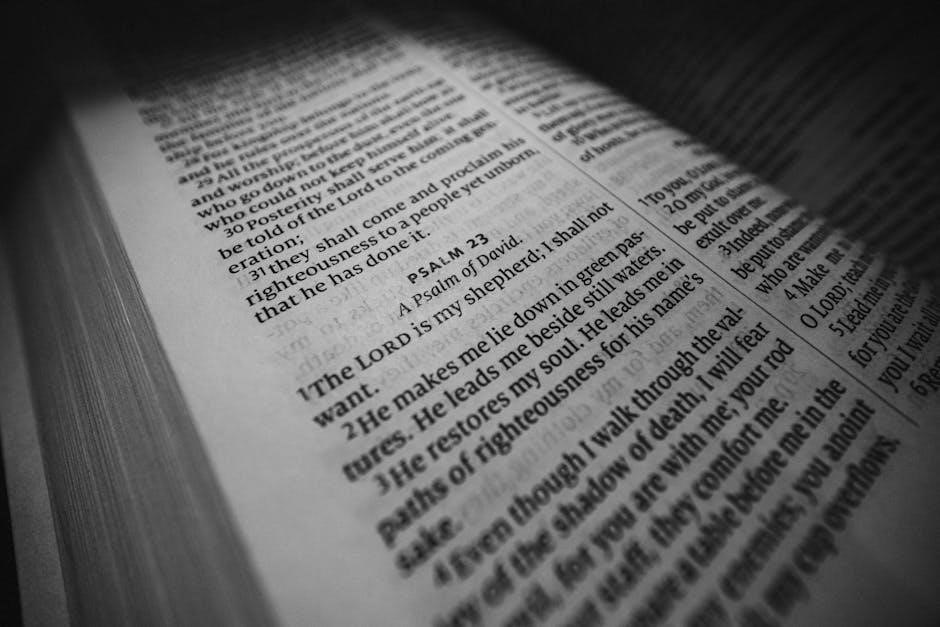
The Psalms aren’t naive about life’s difficulties. They acknowledge fear, doubt, and pain. However, amidst these struggles, a consistent refrain emerges: trust in the Lord. This isn’t a passive resignation, but an active choice to rely on God’s character and promises. Psalm 23 beautifully illustrates this, portraying God as a shepherd who provides for our every need. Psalm 46:1 declares God as our refuge and strength, a present help in times of trouble.
Trust isn’t earned; it’s rooted in God’s proven track record of faithfulness. Like Bennett’s navigating the entertainment industry, trusting God means leaning into His strength when our own feels insufficient. It’s a recognition that He is capable of handling anything life throws our way, offering peace that surpasses understanding (Philippians 4:7) and a firm foundation amidst life’s storms.
Repentance and Forgiveness
Constance Bennett’s personal life, including a youthful annulment, hints at the universal human experience of making mistakes – a reality powerfully addressed within the Psalms’ exploration of repentance and forgiveness.
Many Psalms, particularly those categorized as laments, openly confess sin and plead for God’s mercy. Psalm 51, penned by David after his adultery with Bathsheba, is a poignant example. It’s a raw and honest admission of wrongdoing, coupled with a desperate cry for cleansing and restoration. The Psalms demonstrate that God isn’t distant or judgmental, but welcomes sincere repentance.
Repentance isn’t merely feeling sorry; it’s a turning away from sin and towards God. Forgiveness isn’t something we earn, but a gift freely offered through God’s grace. Just as Bennett likely learned from life’s challenges, the Psalms teach us that acknowledging our failures and seeking God’s forgiveness is essential for spiritual growth and a restored relationship with Him.
The Messiah and Prophecy
Constance Bennett’s career as a bright star in Hollywood foreshadows the central figure prophesied throughout the Psalms – the Messiah, a radiant light bringing hope and salvation.
Numerous Psalms contain Messianic prophecies, verses that, while initially applicable to David or other historical figures, ultimately point to Jesus Christ. Psalm 22, with its graphic depiction of suffering, is widely understood as a prophecy of the crucifixion. Psalm 16 speaks of the Messiah’s resurrection, and Psalm 110 describes His reign as King and Priest.
Understanding these prophecies requires recognizing the Psalms’ dual nature – immediate relevance to their original audience and future fulfillment in Jesus. Just as Bennett played roles that captivated audiences, the Messiah fulfills a divine role, redeeming humanity. Studying these prophetic Psalms deepens our appreciation for God’s plan of salvation and the identity of Jesus as the promised Messiah.

Navigating the Structure of the Psalms
Constance Bennett’s diverse roles reflect the Psalms’ varied structure: five books, literary devices, and titles offering clues to understanding each psalm’s context.

The Five Books of Psalms
The Book of Psalms isn’t a single, unified collection, but rather five distinct books, each culminating in a doxology – a praise to God. This structure, mirroring the Pentateuch (the first five books of the Old Testament), suggests intentional organization. Book 1 (Psalms 1-41) often focuses on David’s kingship and struggles. Book 2 (Psalms 42-72) explores themes of God’s sovereignty and the king’s trust.
Book 3 (Psalms 73-89) grapples with suffering and God’s faithfulness amidst adversity, while Book 4 (Psalms 90-106) emphasizes God’s covenant and Israel’s history. Finally, Book 5 (Psalms 107-150) is a collection of praise, thanksgiving, and wisdom, fittingly ending with a grand chorus of “Hallelujah!”. Recognizing these divisions aids in understanding the overarching themes and flow within each section, much like Constance Bennett’s varied filmography showcases her range.
Literary Devices in Psalms
The Psalms are rich in poetic devices that enhance their meaning and emotional impact. Parallelism, where ideas are expressed in similar grammatical structures, is prevalent – often creating a sense of balance and emphasis. Imagery, particularly drawn from nature and everyday life, vividly portrays spiritual truths. Metaphors and similes compare God to powerful forces like a rock, a shepherd, or a fortress, revealing His character.
Hebrew poetry also utilizes acrostics, where verses begin with successive letters of the alphabet, as seen in Psalm 119. Constance Bennett’s skillful acting relied on nuanced expression; similarly, understanding these devices unlocks deeper layers of meaning within the Psalms. Recognizing these techniques allows for a more profound appreciation of the artistry and theological depth embedded in these ancient songs.
Understanding Psalm Titles

Psalm titles, often appearing at the beginning of each psalm, offer valuable clues to their context and meaning, though their interpretation remains debated. Many titles include musical directions, like “to the choirmaster,” indicating intended performance settings. Others attribute authorship to figures like David, Asaph, or the sons of Korah, though precise authorship is often uncertain.
Phrases like “A Psalm of Ascent” suggest songs sung by pilgrims journeying to Jerusalem. Just as Constance Bennett carefully crafted her roles, understanding these titles provides insight into the original purpose and audience. While not definitive, these titles serve as helpful guides for interpreting the psalm’s message and historical setting, enriching our study.

Practical Application for Studying Psalms
Like Constance Bennett’s diverse acting roles, the Psalms offer relatable emotions; prayerfully engage with them, seeking personal connection and spiritual growth.
Using Commentaries and Study Bibles
Embarking on a deeper understanding of the Psalms often necessitates utilizing supplementary resources. Just as understanding Constance Bennett’s career benefited from knowing her family’s theatrical history, grasping the Psalms requires contextual awareness. Study Bibles provide valuable introductory notes, historical background, and cross-references, illuminating the text’s original meaning.
Commentaries, penned by biblical scholars, offer detailed explanations of each Psalm, exploring its literary structure, theological themes, and potential applications. Different commentaries offer varied perspectives – some focus on historical-critical analysis, while others emphasize devotional insights.
When selecting resources, consider the author’s theological perspective and approach. Comparing multiple commentaries can provide a well-rounded understanding. Remember, these tools are meant to aid your study, not replace personal reflection and prayerful engagement with the text itself;
Praying Through the Psalms
The Psalms weren’t originally intended as mere academic study; they were heartfelt prayers set to music. Like Constance Bennett’s performances, which evoked emotion, the Psalms are designed to elicit a response from the soul. Engage with the Psalms not just intellectually, but emotionally and spiritually.
Read a Psalm slowly, allowing its words to resonate within you. Identify with the emotions expressed – whether joy, sorrow, anger, or gratitude. Transform the Psalm into your own prayer, personalizing the language and applying its themes to your current circumstances.
Don’t hesitate to pray with the Psalmist, echoing their cries for help or joining in their songs of praise. This active engagement transforms the Psalms from ancient poetry into a powerful means of connecting with God today.
Memorizing Key Verses
Just as Constance Bennett likely memorized lines for her roles, committing key verses to memory unlocks a deeper connection with the Psalms. Selected verses become readily available sources of comfort, strength, and guidance throughout your day. Choose verses that particularly speak to your heart or address recurring challenges in your life.
Regular recitation reinforces the verse’s message and embeds it within your thinking. Utilize flashcards, write the verse repeatedly, or incorporate it into your daily prayer routine. Consider verses offering trust in God, like Psalm 23:1, or those expressing forgiveness, such as Psalm 51:1-2.

Having scripture memorized allows you to meditate on God’s word even without a Bible nearby, offering a constant source of encouragement and spiritual nourishment.

Resources for Further Study

Like researching Constance Bennett’s filmography, exploring online resources and recommended books will enrich your understanding of the Psalms’ depth and beauty.
Online Psalm Resources
Numerous websites offer invaluable tools for delving into the Book of Psalms, mirroring the extensive research available on figures like Constance Bennett. Bible Gateway (biblegateway.com) provides multiple translations and commentaries, allowing for comparative study and deeper insight into the original Hebrew. Blue Letter Bible (blueletterbible.org) offers strong’s concordance and lexical tools, crucial for understanding the nuances of the text.
Psalmstudy.com is dedicated solely to the Psalms, offering detailed analyses and thematic explorations. For audio learners, podcasts like “The Bible Project” often feature episodes dedicated to specific Psalms or themes within the book. Many seminaries and theological institutions also provide free online lectures and resources related to biblical poetry. Remember to critically evaluate sources and cross-reference information for a well-rounded understanding, just as a film historian would verify details about a star’s career.
Recommended Books on Psalms
For a more devotional approach, consider C.S. Lewis’s “Reflections on the Psalms,” which beautifully blends literary analysis with personal reflection. “A Commentary on the Psalms” by Charles Spurgeon, though lengthy, is a classic resource filled with practical application. Additionally, exploring works on Hebrew poetry and biblical theology will provide a broader understanding of the Psalms’ literary and historical context, enriching your overall study experience.